Kaitotek took part in the NATO Innovation Range Capability Demonstrator event held in Oulu, Finland, on 28–29 October 2026. The event brought together a broad range of defence and security expertise: technology developers, national stakeholders, research organizations, and representatives of NATO.
October 30th, 2026
Situational awareness is the foundation of successful public safety and defence operations. Achieving it requires, among other things, smooth communications, the importance of which cannot be overstated. Beyond command and control, modern surveillance, weapons, and machinery systems all depend on functioning data transfer. Despite this, users of digital communications systems have little visibility into the actual quality of their connections, and problems are often only detected once the connection is already completely down. The lack of historical data further undermines corrective actions: without precise knowledge of where and when problems occurred, and which devices and services they affected, resolving them is slow and difficult. Kaitotek fills this gap by extending situational awareness to cover the QoSQuality of Service
Indicates the overall performance of the connection/network and its ability to serve applications. of communications links as well.
The NATO Innovation Range (NIR) is a NATO-led cooperation framework aimed at accelerating the development, testing, and deployment of technologies critical to defence and security. At NIR testing events, new technologies and solutions can be trialled in real operational environments, and their functionality and interoperability can be assessed as part of larger systems and operational entities. The Finnish Ministry of Defence acts as the national authority responsible for the NIR Future Connectivity framework. The practical arrangements of the event were handled by the Defence Administration, BusinessOulu, Digital Defence Ecosystem, and DEFINE in cooperation with NATO.
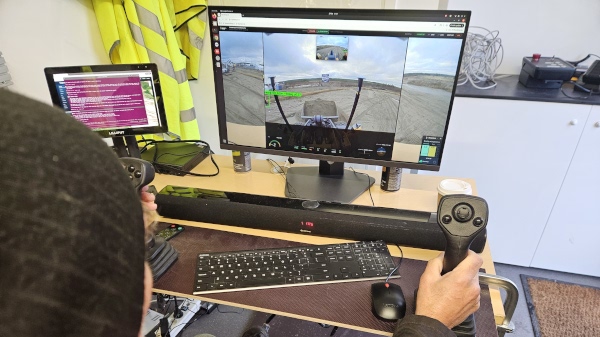
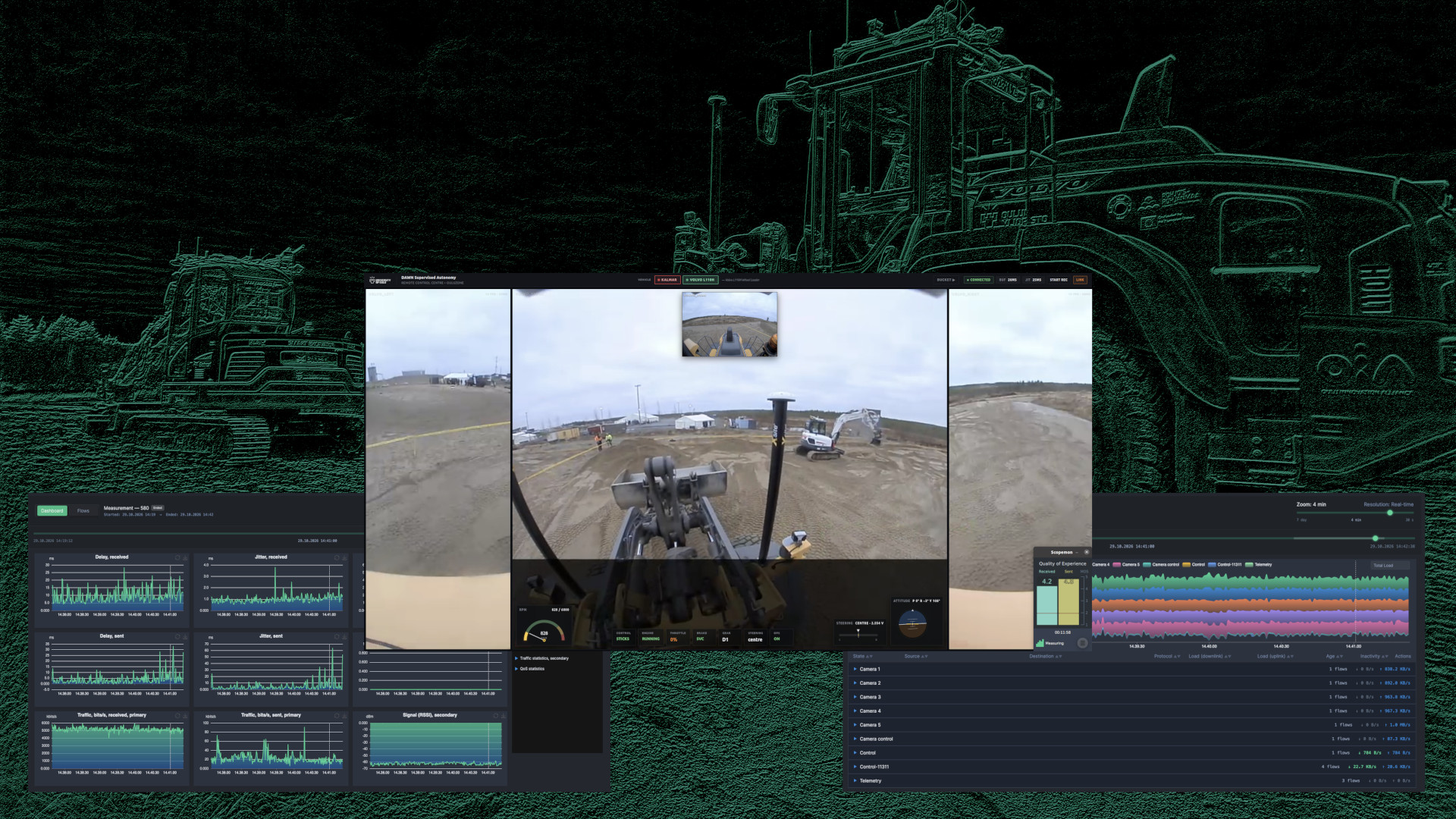
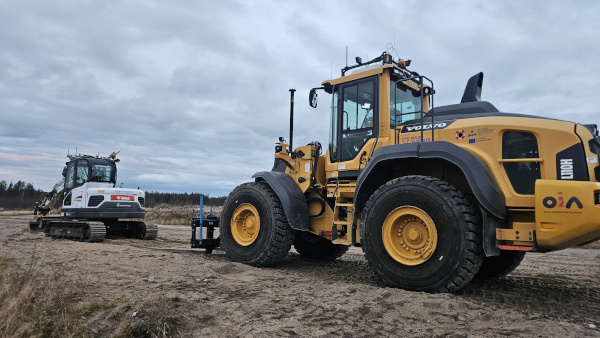
Kaitotek took part in a demonstration led by the University of Oulu’s civil and structural engineering research unit, together with Sensible 4, Novatron, and SATEL. The demonstration centered on a teleoperated wheel loader and an autonomous excavator, machines that, in military scenarios, can be used for tasks such as fortification work on the front line.
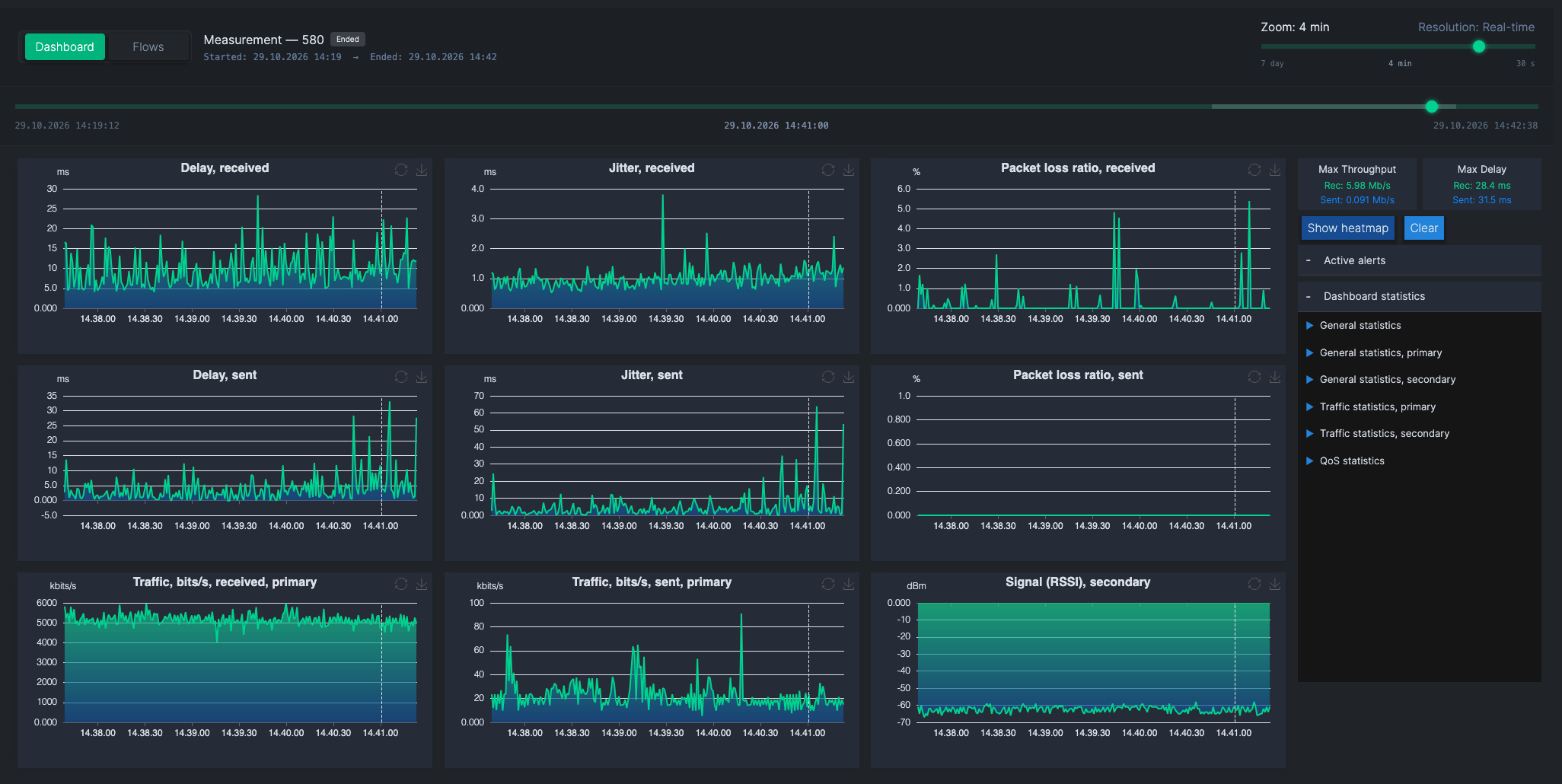
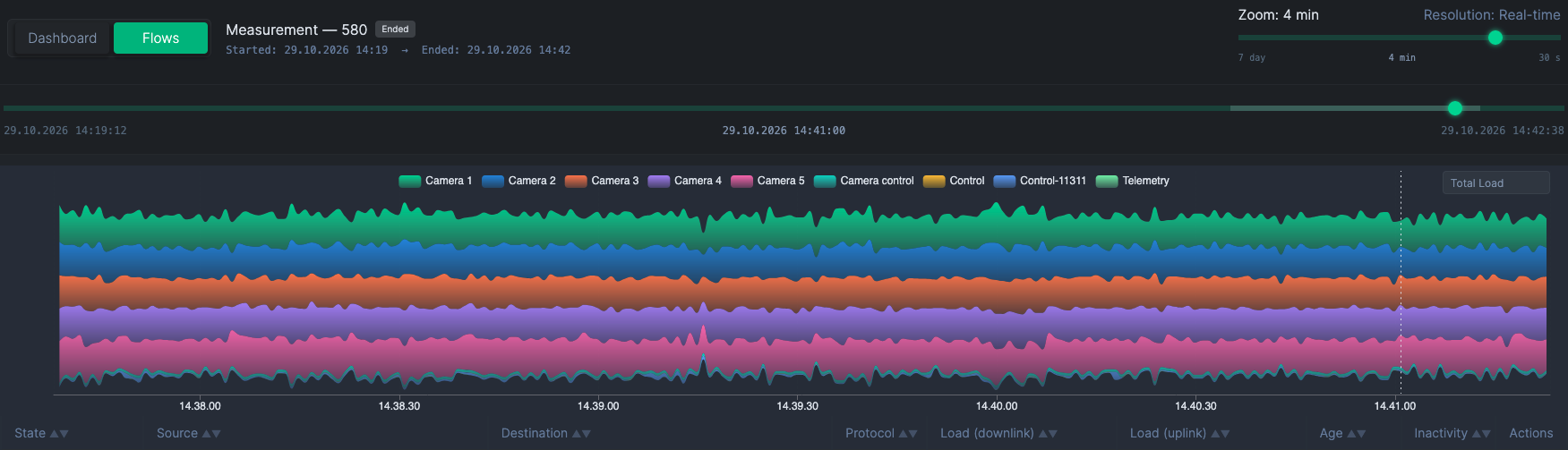
Qosium monitored the quality of the communications links throughout the demonstration. A simplified real-time quality view was added to the remote operations station, so the operator could see at a glance when the connection was too weak to operate safely. At the same time, detailed measurement data was collected for the soon-to-be-published Qosium Aware system, having a key role in detecting and troubleshooting data transfer problems.
The measurements quickly proved their value. When problems occurred, it was immediately clear, for example, that the radio signal itself was fine. The root cause was network congestion, not poor signal conditions. This distinction cannot be made by looking at the radio level alone. It requires passive QoS monitoring that measures the connection as the user actually experiences it.
With Qosium, continuous, real-time situational awareness extends to the communications link itself. The operators’ dedicated quality view ensures that remote operation is safe in all situations: problems are detected and pinpointed the moment they occur, so corrective actions can start without delay. Real-time monitoring also enables automatic, timely responses such as switching to a backup connection or compressing application data when conditions deteriorate before users ever notice a degraded connection.
The Capability Demonstrator event was held in Oulu in the OuluZone test environment, in real and varying conditions. Oulu’s internationally renowned technology ecosystem is built around, among other things, wireless communications, digital technologies, and advanced research. The expertise covers, for example, military and commercial communications technologies, sensor technologies, artificial intelligence, autonomous systems, embedded technologies, edge computing, and cybersecurity.